
I’ve managed projects across three continents, coordinated teams in five time zones, and hit every single deadline, and I’ve done all of it from my home office. So when people tell me remote work “just doesn’t work,” I genuinely want to understand where that’s coming from.
Here’s what I’ve noticed: most of the hesitation isn’t about remote work itself. It’s about the stories we’ve been told about remote work. By managers who’ve never tried it. By companies that benefit from having you in the building. By a culture that still, quietly, equates visibility with value.
I want to walk you through 10 of the most common myths I hear, because some of them might be the exact thing standing between you and a career that finally works on your terms.
Myth 01: You have to be a tech person to work remotely
“Remote jobs are only for developers and designers, right?”
This one is probably the most widespread. And I understand why, because tech companies were early adopters. But remote work has long since moved beyond Silicon Valley.
Marketing managers, project coordinators, HR professionals, writers, accountants, customer success reps, educators, researchers. The list of roles that can be done remotely grows every year. The pandemic, for all its chaos, basically ran a global experiment that proved office presence was never the requirement we thought it was.
The reality: If your work output lives primarily on a screen and in communication with others, there is almost certainly a remote version of your role out there. The question is whether you’ve looked for it.
Myth 02: Remote workers are less productive
“There are too many distractions at home to actually get things done.”
This one tends to say more about the person believing it than about remote workers themselves. Yes, some people struggle with distractions at home. But plenty of others are far more productive without a 45-minute commute, open-plan office noise, and a stream of drop-by conversations that could have been an email.
In my experience managing remote teams, the people who thrive remotely are often the ones who were already self-directed in the office. The environment changes; the person doesn’t.
The reality: Productivity is about structure and ownership, not location. Many remote workers actively set better boundaries and protect deep work time more deliberately than they ever could in an office.
Myth 03: You won’t get promoted if you’re not in the office
“Out of sight, out of mind when leadership is handing out opportunities.”
I’ll be honest, this one has a sliver of truth in companies with outdated leadership. In organizations that still measure performance by who arrives earliest or laughs loudest at the boss’s lunch table, yes, remote work can disadvantage you.
But here’s the thing: those companies are also the ones where your growth was always going to be limited. Remote-forward companies evaluate performance on outcomes. And when your outcomes are consistently strong, the visibility question answers itself.
The reality: The companies worth growing with are the ones that promote based on results. If presence alone drives advancement where you work, that’s a culture problem, not a remote work problem.
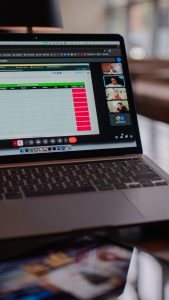
Myth 04: Remote work is lonely and isolating
“You’ll miss your colleagues and feel disconnected from everyone.”
I won’t pretend this never happens, because it can, especially if you go remote without being intentional about it. But loneliness in remote work is almost always a symptom of poor setup, not an inevitable outcome.
I’ve built some of my strongest professional relationships with colleagues I’ve never been in the same room with. Good remote teams invest in real human connection, not the forced kind you get at a mandatory office birthday cake gathering, but actual conversations, shared context, and genuine collaboration.
The reality: Connection is a habit you build, not a thing the office hands you automatically. Remote workers who thrive are intentional about relationships, and often end up with more meaningful ones.
Myth 05: Remote jobs pay less than in-office roles
“Companies offer less because you’re saving on the commute.”
This is simply not consistent with how the job market works anymore. Remote roles, especially those at established tech, consulting, and global companies, often pay at or above market rate. Add in the elimination of commuting costs, work wardrobe, and expensive lunches, and the total financial picture frequently comes out ahead.
What’s more, if you’re based in a mid-sized city and land a remote role with a company headquartered in a major metro, you may be earning a big-city salary with a lower cost of living. That gap is real and significant.
The reality: Remote work can be one of the most financially smart moves you make in your career. Compensation is driven by your skill level and the company you work for, not the zip code you sit in.
Myth 06: You need a perfect home office setup before you can start

“I can’t work remotely until I have a dedicated room, the right desk, and all the gear.”
If you wait until conditions are perfect, you will wait forever. I started my first remote role at a kitchen table with a laptop and a mediocre internet connection. The setup improved over time, built with income from the job I started before everything was in place.
Yes, a good workspace matters, and you should invest in it. But it does not need to exist before you begin. Start with what you have, learn what you actually need, then build from there.
The reality: The job creates the resources for the setup. Don’t let the perfect setup become an excuse not to get the job.
Myth 07: Remote work means being available 24/7
“If you work from home, work never actually ends.”
This one is less a myth about remote work and more a myth about boundaries. Yes, remote work can blur the line between professional and personal time. But so can any demanding job. The difference is that remote work actually gives you the tools to draw those lines more deliberately than an open-plan office ever did.
When I finish work, I close my laptop, step away from my desk, and I am done. There is no commute to decompress during, but there also is no manager walking past my desk at 6pm with “got a minute?” The end of the day is mine to define.
The reality: Boundary problems come from people and culture, not from working remotely. Remote work actually gives you more control over your time than most office environments do.
Myth 08: Clients and employers won’t take you seriously
“You need to be in-person to be credible.”
Credibility comes from the quality of your work and how you communicate, not from which building you happen to be sitting in. If anything, remote professionals who are responsive, organized, and clear in their communication tend to build trust faster, because those qualities stand out in a digital environment.
I have worked with clients who never once questioned whether I was remote. They cared about results, timelines, and clear communication. Every time, those things were more than enough.
The reality: If a client or employer dismisses you purely because you work remotely, that tells you something important about how they operate, and whether you actually want to work with them.
Myth 09: Remote work isn’t possible with a family at home
“How do you actually focus with kids running around?”
I hear this one a lot, and I understand it. Managing work alongside family life takes real structure. But plenty of parents work remotely with great success, and the flexibility it affords, school drop-offs without a frantic rush, being present for unexpected moments, not missing everything, is precisely why many parents pursue it in the first place.
The key isn’t pretending the family doesn’t exist. It’s building a schedule that respects both your work commitments and your home life, and being realistic about what you need to make it work.
The reality: Remote work with family at home requires structure and honest conversations. It’s challenging. But so is commuting two hours a day while your kids grow up without you.
Myth 10: If remote work were really good, everyone would be doing it
“Most companies are returning to office, so maybe the critics were right.”
The return-to-office movement is real, but it’s not the evidence people think it is. Many of those mandates are driven by real estate commitments, management habits, or control preferences, not by data showing in-office work produces better outcomes. In fact, a significant number of the professionals who returned to office did so reluctantly, and a meaningful portion left for remote-first companies when given the choice.
The remote work market is not shrinking. It is maturing. The companies that do it well are doing it better than ever. The ones who never believed in it are pulling back. Both things can be true at once.
The reality: Remote work isn’t a trend that came and went. It’s a permanent feature of the modern job market, and the professionals who understand how to navigate it will continue to have an edge.
So, what’s actually keeping you in that office?
I’m not here to tell you remote work is for everyone, or that it’s automatically better. It requires honesty about how you work, what you need, and what kind of environment helps you grow.
But if you’ve been holding back because of one of the myths above, I’d gently encourage you to examine where that belief came from. Because often, the thing standing between us and the work life we actually want is a story we picked up from somewhere else, and never stopped to question.
You don’t have to have it all figured out before you start. You just have to be willing to look honestly at what’s possible.
If any of this resonated, I’d love to hear which myth you believed the longest. Drop a comment below or connect with me on LinkedIn.